
Exhibitor risk guide
Trade Show Mistakes to Avoid: What Exhibitors Should Watch Closely
A practical guide to trade show mistakes exhibitors should avoid: QR destinations, staff answers, privacy notices, lead context, claims, samples, and follow-up.
TL;DR
Exhibitors should be careful about the small operational gaps that turn booth traffic into weak follow-up: vague QR labels, generic QR destinations, inconsistent staff answers, unsupported claims, unclear sample or lead-time details, missing privacy notices, rushed lead notes, and one-size-fits-all post-show emails. The practical fix is to prepare a visitor question map before the show, define which answers are public and which require a person, test the QR path, and capture enough context for follow-up.
The real risk is usually not dramatic
The most expensive trade show mistakes are often small, ordinary, and invisible until the team tries to follow up after the event.
A booth can look professional and still lose the buyer. The scanner works, the brochure stack looks clean, the samples arrive, and the staff smiles. The problem appears later: the QR code sent visitors to a homepage that did not answer their trade show question. The sales team cannot tell which lead asked about implementation, which one cared about distributor terms, and which one needed a sample. The follow-up email says "Thanks for stopping by" because nobody captured the actual reason the visitor stopped.
For exhibitors, this is the detail that matters: trade show success depends less on how many people passed the booth and more on whether each serious visitor found a clear answer path. If that path breaks at the sign, the QR code, the staff explanation, the lead note, or the follow-up, the booth leaks opportunity.
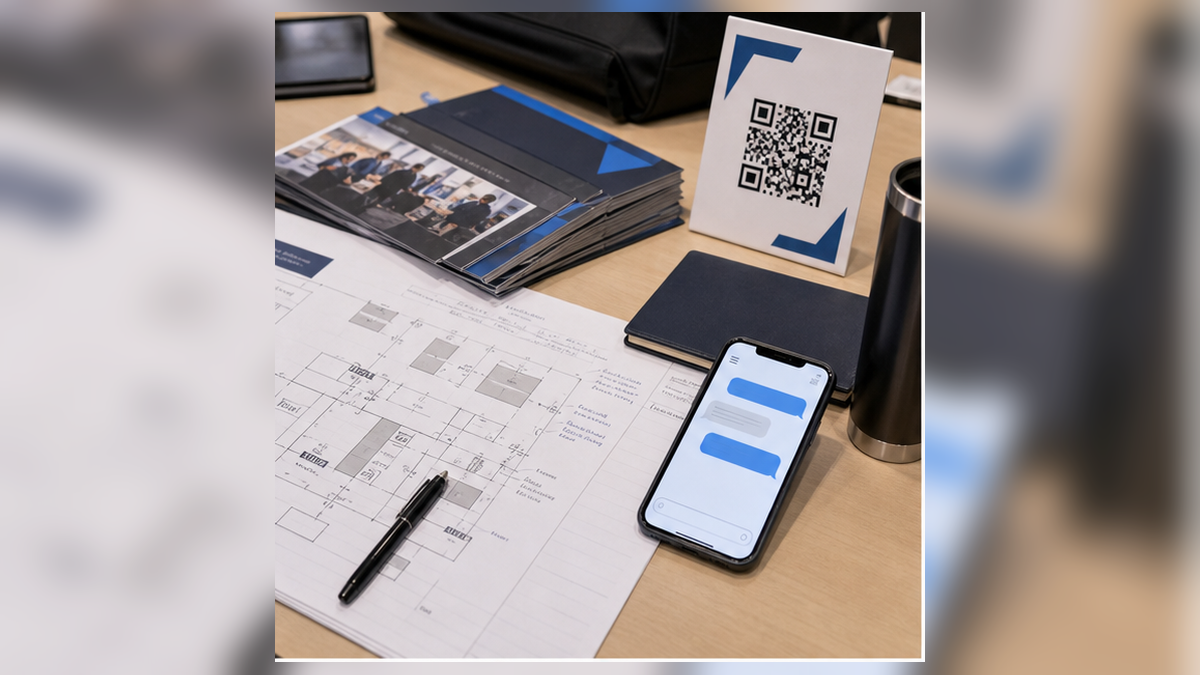
12 trade show mistakes exhibitors should avoid
| Mistake | Why it matters | Practical check |
|---|---|---|
| 1. Using a vague QR label | "Scan me" gives no reason to act. | Label the scan by intent: pricing context, samples, technical questions, distributor info, or follow-up. |
| 2. Sending QR scans to the homepage | Visitors lose the event context immediately. | Use a booth-specific answer page or event landing page. |
| 3. Letting staff improvise every answer | Visitors hear different claims from different people. | Write the top buyer questions and approved answer boundaries. |
| 4. Overclaiming results | Unsupported promises can damage trust and create compliance risk. | Keep claims specific, provable, and limited to what you can support. |
| 5. Not preparing proof | Serious buyers need evidence, not enthusiasm. | Prepare documents, certifications, case examples, demos, and sample paths. |
| 6. Hiding sample, MOQ, or lead-time details | Operational details often decide whether a buyer continues. | Prepare clear ranges and escalation paths. |
| 7. Collecting contact details without context | A clean contact list does not explain buying intent. | Capture role, question, urgency, and next step. |
| 8. Ignoring privacy and consent notices | Visitors should know how their details may be used. | Use clear collection language and opt-out paths where needed. |
| 9. Treating every visitor as the same lead | Buyer, student, distributor, press, and partner need different follow-up. | Tag lead type and question theme. |
| 10. Forgetting after-hours scans | Visitors may scan after staff leave or after returning to the hotel. | Make the QR destination useful without a person present. |
| 11. Waiting too long to follow up | Memory fades and competitors move first. | Send question-aware follow-up within 24 to 48 hours. |
| 12. Sending the same email to everyone | Generic follow-up makes serious visitors feel unrecognized. | Follow up by question: proof, sample, technical, pricing, distributor, or meeting. |
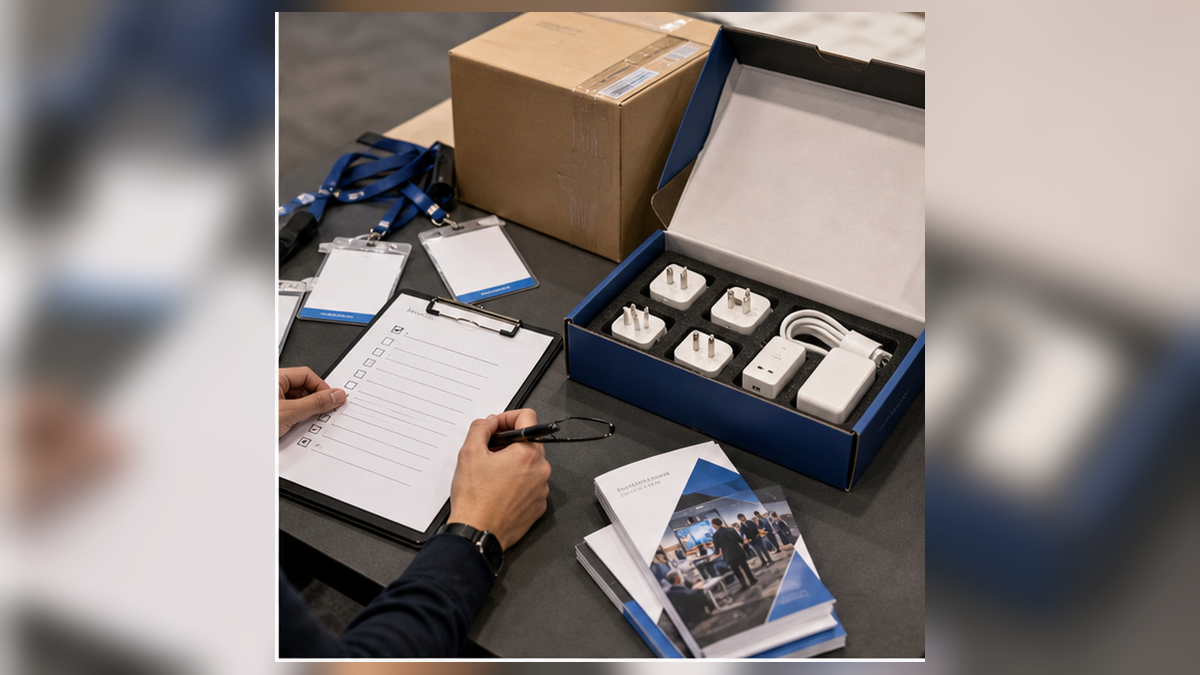
On-site details that need attention
During the show, exhibitors should watch for answer bottlenecks: crowded staff, unclear ownership, untested QR codes, and conversations that end without a next step.
The booth team should know who handles which question. The greeter should not guess at pricing. The demo person should not promise legal or security details. The technical expert should not become the only person who can keep the booth moving. Assign roles before the show: greeting, qualification, demo, technical escalation, lead note, and follow-up owner.
Also test the physical path. Can a visitor see the QR code from the aisle? Does the QR code work on iPhone and Android? Does the page load quickly on mobile data? Does the page answer questions in plain language, or does it push visitors into a long PDF? If the QR path fails, the visitor may not tell the team. They will simply leave with the question unresolved.
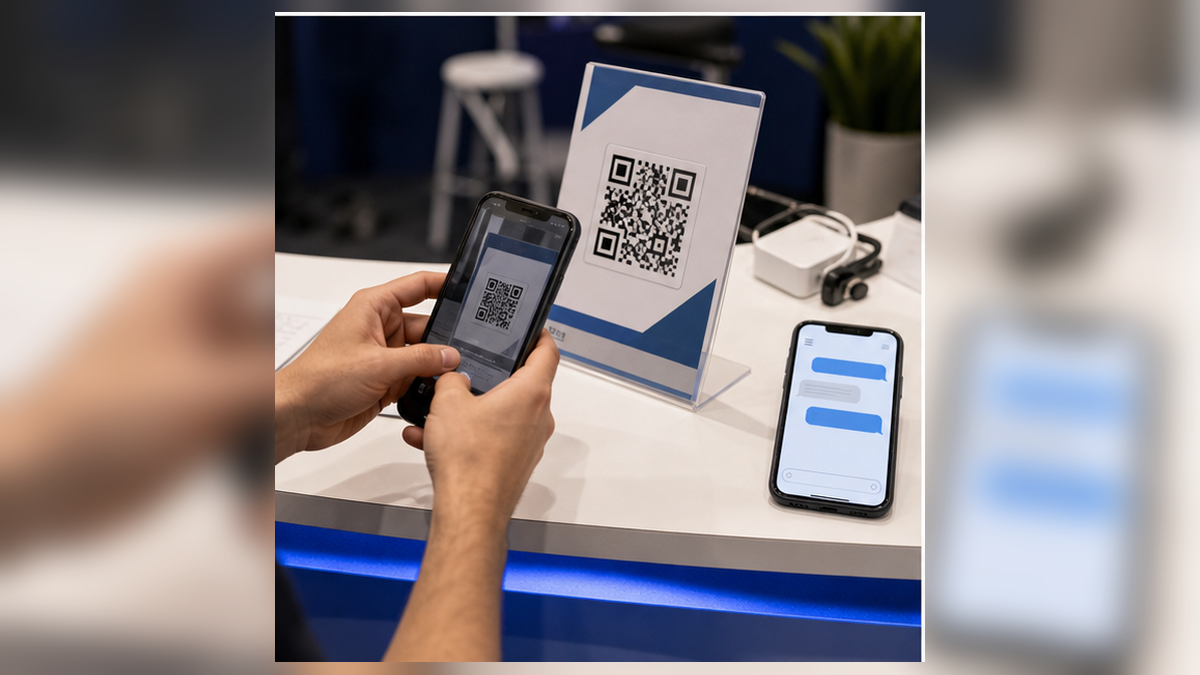
After-show risks most teams underestimate
The riskiest moment is often the first week after the show, when good conversations can turn into generic outreach.
Do not start with the export file alone. Review the question patterns first. Which questions repeated every day? Which visitors asked about timing? Which leads needed proof before a meeting? Which asked for a sample, quote, distributor contact, technical call, or internal document? This review tells you what the market actually tested at the booth.
Then segment follow-up by question type. A procurement lead asking about lead time should not get the same email as a technical evaluator asking about integration. A distributor asking about territory should not receive a generic product brochure. The more precisely the follow-up continues the visitor's original question, the more professional the company feels after the show.
Local examples exhibitors should consider
The caution points change by industry and market, but the pattern is the same: unanswered practical questions slow down the next step.
U.S. B2B events
Visitors often expect clear next actions. Be careful with vague "we will follow up" language. Send a demo link, security document, sample path, or meeting option tied to the visitor's question.
Manufacturing and export booths
MOQ, lead time, certification, sample cost, packaging, and shipping terms can decide whether a buyer continues. These details need an approved range or an escalation owner.
Software and AI exhibitors
Data handling, security, integration, hallucination boundaries, and human review should be explained carefully. Avoid promising automation outcomes that depend on customer data, team process, or legal review.
How to reduce risk without RealLink AI
You can reduce exhibitor risk without RealLink AI by building a dedicated event page, a staff FAQ, a lead note template, and question-specific follow-up templates.
Print the top 25 visitor questions. Mark each answer as public, sales-owned, technical-owned, or sensitive. Train the team on the difference between a helpful answer and an unsupported promise. Put QR labels near real visitor intent. Review repeated questions at the end of every show day. The weakness is operational: when the booth is crowded, staff notes get short and static pages do not always answer the question the visitor actually wanted to ask.
Where RealLink AI helps
RealLink AI helps exhibitors by turning booth QR codes into public AI answer pages where visitors can ask natural-language questions and receive approved answers.
This is useful for the caution points that repeat: pricing context, use cases, sample process, documentation links, multilingual explanations, after-hours scans, and next-step guidance. RealLink AI does not replace staff. It helps the team preserve question context while people handle trust, demos, negotiation, sensitive issues, and final decisions.
The practical standard is simple: if a visitor asks an important question, the booth should not depend on memory alone.
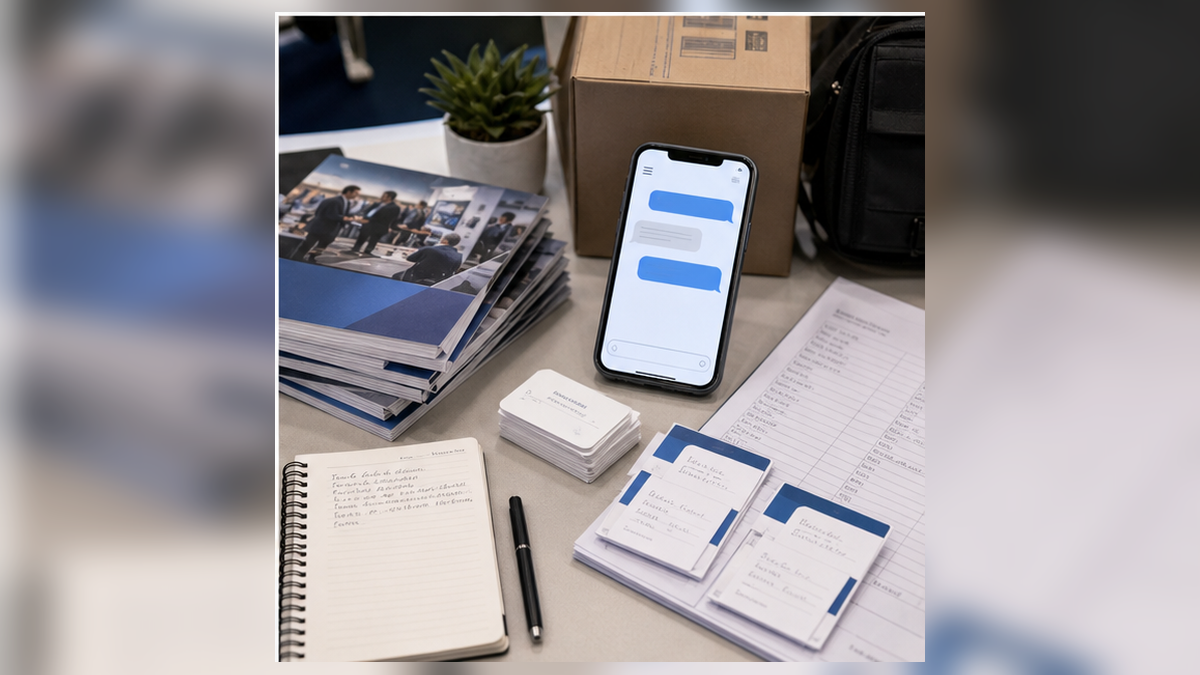
Privacy and claim checks
Trade show content should stay specific and supportable. If you collect contact details, explain what visitors should expect and provide appropriate opt-out paths for marketing messages. U.S. exhibitors can review FTC advertising guidance, the FTC CAN-SPAM guide, and Google's people-first content guidance. This article is not legal advice.
Related trade show guides
Continue with preparation, first-time exhibitor, and failure-prevention guides.
RealLink AI
First-time trade show preparation
Continue with preparation, first-time exhibitor, and failure-prevention guides.
RealLink AI
Trade show preparation checklist
Continue with preparation, first-time exhibitor, and failure-prevention guides.
RealLink AI
Trade show booth failure
Continue with preparation, first-time exhibitor, and failure-prevention guides.
FAQ
What are the most common trade show mistakes exhibitors should avoid?
Common mistakes include vague QR labels, generic QR destinations, inconsistent staff answers, unsupported claims, poor lead notes, unclear privacy notices, and generic follow-up.
Why is a homepage a weak QR destination?
A homepage removes the event context and usually does not answer the visitor question that caused the scan.
What should staff capture after a serious booth conversation?
Capture visitor role, question, urgency, and next step, not only name and company.
How soon should exhibitors follow up after a trade show?
A question-aware first follow-up should usually go out within 24 to 48 hours while memory is fresh.
Can RealLink AI replace booth staff?
No. It supports repeated approved answers and question context. Staff still handle trust, demos, negotiation, and sensitive issues.
Last updated
Last updated: 2026-06-07.
Build a safer booth QR answer path
Use RealLink AI to preserve visitor questions and keep follow-up context after the show.